
Beginner Tips for Backyard Birdwatching: A Simple Guide to Get Started
Birdwatching is a rewarding hobby that brings the beauty of nature closer to home. For beginners, starting in your own backyard is a convenient way to observe birds, learn about different species, and relax outdoors. Whether you have a small balcony or a spacious garden, simple steps can help you create a welcoming environment for birds and enhance your birdwatching experience.
Why Start Birdwatching in Your Backyard?
Birdwatching doesn’t require special equipment or travel. Your backyard offers an excellent opportunity to:
– Connect with nature daily
– Reduce stress by spending time outdoors
– Learn about local wildlife
– Support bird conservation by providing safe spaces
Starting locally means you can observe birds year-round and notice seasonal changes in species and behavior.
—
Essential Gear for Beginner Birdwatchers
Before heading out to watch birds, having the right tools can improve your experience.
Basic Equipment
– Binoculars: A good pair of binoculars helps you see birds clearly from a distance. Look for ones labeled 8×42 or 10×42 for a balance of magnification and brightness.
– Field Guide or App: Identifying birds is easier with a reliable field guide book or a smartphone app designed for bird identification.
– Notebook or Journal: Recording your sightings helps track species you see and observe patterns over time.
Optional Extras
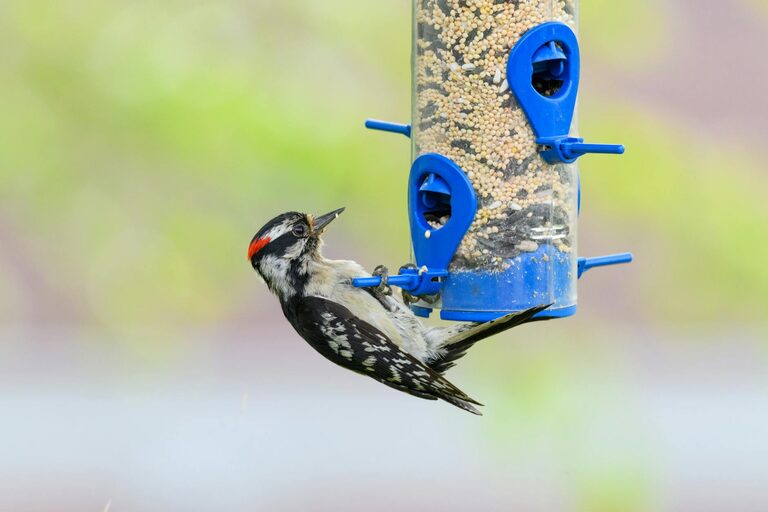
– Bird Feeder: Attracts birds to your yard for closer observation.
– Bird Bath: Birds need water for drinking and bathing, and a bath encourages visits.
– Birdhouse: Provides shelter and nesting spots for some species.
—
Creating a Bird-Friendly Backyard
To attract diverse birds, consider these simple changes:
Plant Native Trees and Shrubs
Native plants offer natural food sources such as berries and seeds, plus shelter from predators.
Provide Food Sources
– Use seed feeders stocked with sunflower seeds, nyjer, or millet, depending on local bird preferences.
– Avoid bread; it offers little nutrition and can harm birds.
Offer Water
Keep a shallow birdbath with fresh water. In colder climates, consider heated birdbaths in winter.
Ensure Shelter and Safety
– Dense shrubs or trees provide hiding places.
– Keep pets supervised during birdwatching time to avoid frightening the birds.
—
Tips for Observing Birds Effectively
Enjoy birdwatching to its fullest with these helpful habits:
Be Patient and Quiet
Birds are easily startled by noise or sudden movements. Find a comfortable spot and stay still and calm.
Choose the Right Time
Early mornings and late afternoons are often the best times to see birds active and feeding.
Learn to Identify Birds
Start with common species in your area and focus on key features: size, color patterns, beak shape, and behaviors.
Use Your Senses
Listen to bird songs and calls; sound is often the first clue to spotting a bird hiding in foliage.
—
Common Backyard Birds to Look For
Depending on your region, here are a few birds you might encounter:
– American Robin: Known for its bright red breast.
– Northern Cardinal: A vivid red bird with a distinctive crest.
– Blue Jay: Blue and white with bold markings and loud calls.
– House Finch: Small with red streaks; often found at feeders.
– Mourning Dove: Soft gray bird with a gentle cooing sound.
Bird guides and apps can help you identify more species based on where you live.
—
Getting the Whole Family Involved
Birdwatching is an excellent outdoor activity for all ages. Children especially benefit from learning about nature hands-on. You can:
– Set up a family bird journal to collect and compare sightings.
– Create bird-themed crafts or DIY feeders.
– Organize backyard birdwatching games or challenges.
—
Joining the Birdwatching Community
There are many ways to connect with other bird enthusiasts:
– Attend local birdwatching walks or nature center events.
– Participate in citizen science projects like bird counts.
– Share your sightings and photos on social media or online forums.
Building connections enriches your hobby and helps contribute to conservation efforts.
—
Final Thoughts
Backyard birdwatching is an accessible, enjoyable, and educational pastime that anyone can start with just a few simple steps. By creating a welcoming space, learning to identify common birds, and practicing patience, you’ll find that nature’s fascinating winged visitors are never far away. So, grab your binoculars, step outside, and enjoy the rich world of birds waiting right in your yard!
