
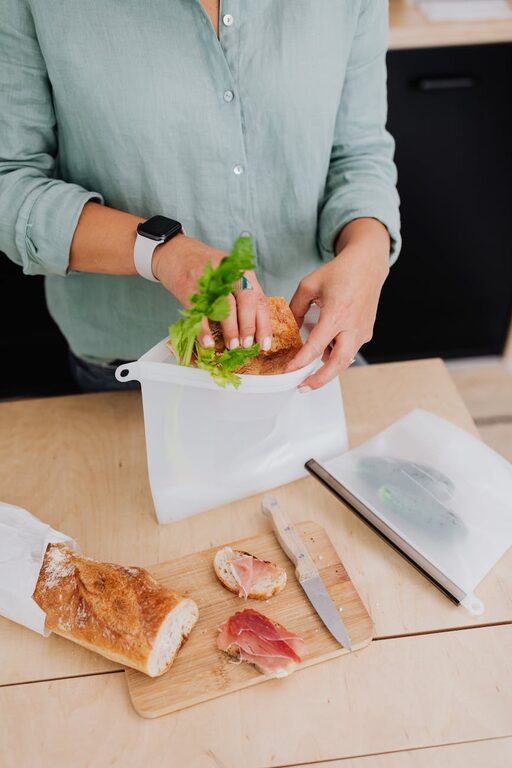
Practical Ways to Reduce Food Waste at Home Every Day
Reducing food waste at home is an easy way to save money, conserve resources, and help the environment. Each year, millions of tons of food are thrown away unnecessarily, contributing to greenhouse gas emissions and wasted effort. Fortunately, small changes in how we shop, store, and use food can make a big difference. In this post, we’ll explore practical ways to minimize food waste, whether you cook often or rarely.
Understand Why Food Gets Wasted
Before exploring solutions, it’s helpful to know common reasons why food ends up in the trash:
– Buying too much or impulse purchases
– Letting food spoil due to improper storage
– Confusing expiration dates
– Cooking more than needed
– Not using leftovers creatively
With these in mind, the following tips address each of these issues.
Smart Shopping Habits
Plan Your Meals
Creating a weekly meal plan ensures you only buy what you need. Consider:
– Checking what’s already in your pantry and fridge
– Making a detailed shopping list based on planned meals
– Avoiding impulse items by sticking to the list
Buy in Appropriate Quantities
Large bulk packages can be cost-effective, but only if used before spoiling. For perishable items, buy smaller amounts more frequently if needed.
Choose Fresh, Long-Lasting Produce
Selecting fruits and vegetables with longer shelf lives can reduce spoilage. For example, carrots, apples, and cabbage last longer than berries or leafy greens.
Proper Food Storage
Use Clear Containers
Store leftovers and prepped ingredients in transparent, airtight containers. This makes food visible and helps you remember to use it.
Understand Storage Needs
Different foods last longer under certain conditions:
– Keep potatoes, onions, and garlic in a cool, dark place
– Store leafy greens wrapped in paper towels inside an airtight bag
– Refrigerate dairy and meats promptly
First In, First Out (FIFO)
Arrange your fridge and pantry so older items are at the front and newer ones at the back. This simple system encourages using older foods first.
Cooking and Portion Control
Cook What You Will Eat
Estimate portion sizes carefully, especially when cooking for one or two people. Overcooked meals often end up wasted.
Use Leftovers Creatively
Transform leftover veggies into soups, stews, or stir-fries. Stale bread can become croutons or breadcrumbs.
Freeze Extras
If you’ve cooked more than you can eat, freeze individual portions. Label containers with contents and dates to keep track.
Managing Expiration Dates
Know the Labels
Terms like “Best Before,” “Use By,” and “Sell By” indicate different things:
– “Best Before” shows quality dates; food might still be safe afterward
– “Use By” is a safety deadline; avoid consuming food past this date
– “Sell By” guides stores; food is usually still safe soon after
Trust Your Senses
If a product smells, looks, and tastes normal, it may be safe to consume shortly after the “Best Before” date. Use judgment carefully.
Composting Food Scraps
Instead of sending food scraps to landfill, composting turns waste into valuable soil for plants. This reduces methane emissions and supports gardening.
What to Compost
– Fruit and vegetable peels
– Coffee grounds and tea bags
– Eggshells
– Small amounts of bread or grains
Avoid composting meat, dairy, or oily foods unless using specialized composting systems.
Educate and Involve the Family
Teach family members about food waste and how to reduce it. Encourage everyone to contribute by:
– Being mindful when taking food
– Reporting leftovers to be used
– Helping with meal planning or preserving food
Final Thoughts
Reducing food waste is both manageable and rewarding. With a bit of planning, smarter shopping, and careful storage, you can help cut down unnecessary waste. The environmental benefits combined with cost savings make this effort worthwhile. Start with a few strategies and build good habits over time—your kitchen and planet will thank you.
