
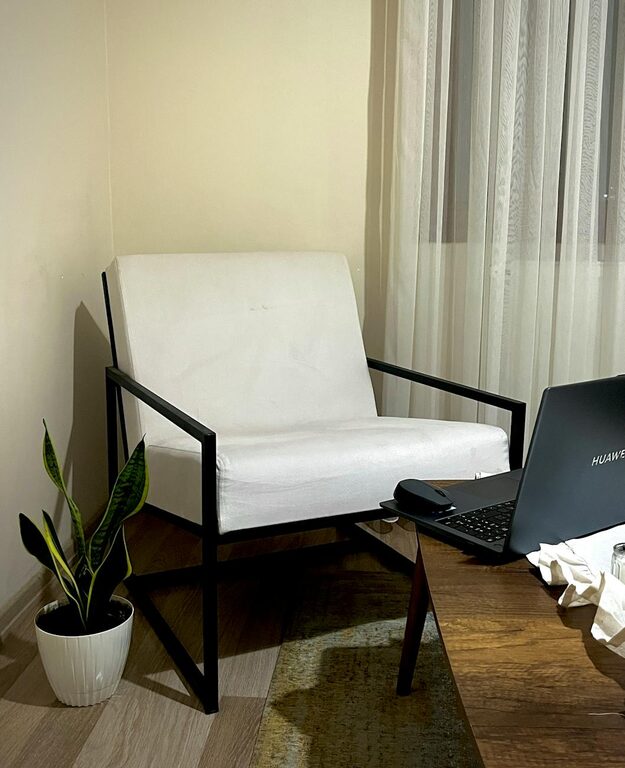
Simple Ways to Reduce Noise at Home for a Calmer Space
Creating a peaceful and quiet environment at home can significantly improve your comfort, concentration, and overall well-being. Noise, whether from outside traffic, noisy neighbors, or sounds inside your house, can disrupt your daily life. Fortunately, there are several simple and practical ways to reduce noise at home without major renovations or expensive equipment.
In this post, we’ll explore easy strategies to minimize noise, improve your space’s sound quality, and make your home a tranquil retreat.
Understanding Noise Sources in Your Home
Before diving into solutions, it helps to identify where the noise is coming from. Common sources include:
– Outdoor noise: traffic, construction, neighbors
– Indoor noise: appliances, HVAC systems, footsteps, conversations
– Structural noise: creaky floors, thin walls, windows
Once you know the origin, you can choose the most effective methods to reduce noise.
Simple Ways to Reduce Noise at Home
1. Use Soft Furnishings to Absorb Sound
Hard surfaces like wooden floors, bare walls, and glass windows reflect sound, increasing noise levels. Introducing soft materials helps absorb sound waves.
– Add thick rugs or carpets on floors
– Use upholstered furniture like sofas and chairs
– Hang heavy curtains or drapes on windows
– Place cushions, throws, and fabric wall hangings
These elements soften the environment and reduce echo, making sounds less harsh.
2. Seal Doors and Windows
Even small gaps around doors and windows can let in a surprising amount of noise. Sealing these gaps is a quick and affordable way to reduce noise intrusion.
– Install weatherstripping around doors and windows
– Use draft stoppers at the bottom of doors
– Apply acoustic caulk to seal cracks or gaps
– Consider double-pane or laminated windows for better insulation
Well-sealed openings keep outside noise at bay and improve insulation.
3. Rearrange Furniture for Noise Buffers
How you arrange your furniture can influence noise control.
– Position large furniture like bookshelves or wardrobes against shared walls
– Use bookcases filled with books to act as sound barriers
– Place furniture near noise sources to help absorb sounds
Furniture acts as a buffer, breaking up noise travel paths.
4. Use White Noise or Sound Machines
Sometimes, masking unwanted sounds with pleasant background noise can improve comfort.
– Use white noise machines or apps featuring soothing sounds like rain or ocean waves
– Place fans or humidifiers to create consistent ambient noise
– These sounds help drown out sudden or irregular noises and create a calm atmosphere
This technique is especially useful in bedrooms or home offices.
5. Add Sound-Absorbing Panels or Decorations
If noise is a recurring problem, consider adding dedicated sound-absorbing panels.
– Purchase affordable acoustic foam panels or tiles
– Use cork boards or fabric-wrapped panels as decoration
– Hang tapestries or quilts on walls
– Place indoor plants; their leaves and soil can absorb sound
These options help reduce noise reflections inside rooms.
6. Improve Floor Soundproofing
Impact noise, such as footsteps or objects dropping, can be disturbing, especially in multi-level homes or apartments.
– Add thick rugs with good padding
– Use floor mats in high-traffic areas
– Place felt pads or rubber caps under furniture legs to reduce tapping sounds
– If possible, install underlay beneath flooring for extra insulation
Cushioning the floor minimizes sounds transmitted through floors.
7. Control Noise from Appliances
Appliances and electronics can generate constant or intermittent noise.
– Ensure appliances like dishwashers, washing machines, and HVAC units are well-maintained
– Use rubber pads or anti-vibration mats under washing machines
– Turn off unnecessary devices when not in use
– Consider quieter models when replacing appliances
Keeping machinery running smoothly reduces noise pollution indoors.
Additional Tips for Noise Reduction
– Communicate with neighbors about noise concerns if applicable
– Avoid using loud equipment during quiet hours
– Close doors to noisy rooms when possible
– Create designated quiet zones in your home for relaxation
Final Thoughts
Reducing noise at home doesn’t have to be complicated or costly. With these simple tips—adding soft furnishings, sealing gaps, rearranging furniture, and using sound-absorbing materials—you can create a calmer and more comfortable living space.
Start by identifying your main noise sources and try a few easy changes. You’ll soon notice the difference in your home’s atmosphere, making it a perfect refuge from the busy world outside.
—
We hope these suggestions help you enjoy a quieter, more peaceful home. Feel free to share your own noise reduction ideas or questions in the comments below!
